Nintex alternative – Gluu

If you are weighing a Nintex alternative, start with the job. Nintex is a workflow-automation suite for digital, often document-heavy processes, tied closely to Microsoft 365. Gluu is for governing how work should be done, proving it was followed – including frontline and offline work – and keeping that model current, on transparent per-user pricing rather than consumption-based fees that are hard to predict.
Written by a former IDC analyst. This is a fact-based comparison, and it is honest about where Nintex is the better choice. We are not trying to win customers who would be a poor fit for Gluu.
Why do teams look for a Nintex alternative?
Nintex is a capable automation platform, so teams rarely leave because it cannot automate. They look for an alternative when cost, complexity or reach become the problem. Commonly cited reasons:
- Pricing is complex and hard to predict. Nintex uses consumption-based (per workflow execution, with overage fees) and company-size models; published third-party figures range widely, and costs are hard to forecast as usage grows. (Source: FlowForma, TrustRadius, retrieved Sep 2026.)
- Implementation is IT-heavy. Reviewers describe it as not truly business-user self-serve, needing IT involvement to build and maintain. (Source: FlowForma, retrieved Sep 2026.)
- High total cost of ownership as you add workflows, users or executions. (Source: Capterra/TrustRadius, retrieved Sep 2026.)
- Microsoft-ecosystem gravity. Much of Nintex’s strength assumes Microsoft 365 and SharePoint; teams outside that gravity, or with heavy frontline work, get less from it.
If your challenge is governing and proving a process across everyone who touches it – not automating one more digital form – a workflow engine is not the missing piece.
Nintex automates digital workflows. Gluu governs the process, proves it was followed, and does it whoever – or whatever – runs it.
What is Nintex best at?
Credit where it is due, because it decides fit. Nintex is a strong choice when:
- You need a mature drag-and-drop workflow and document-automation engine – forms, approvals, document generation, e-signature and RPA in one suite.
- Your processes are digital and Microsoft-centric, with deep SharePoint and Microsoft 365 integration.
- You want automation and process mapping (Promapp) from a single vendor.
If that is your need, Nintex may be the right tool. Gluu earns its place when the process has to be governed, followed and proven well beyond the digital document.
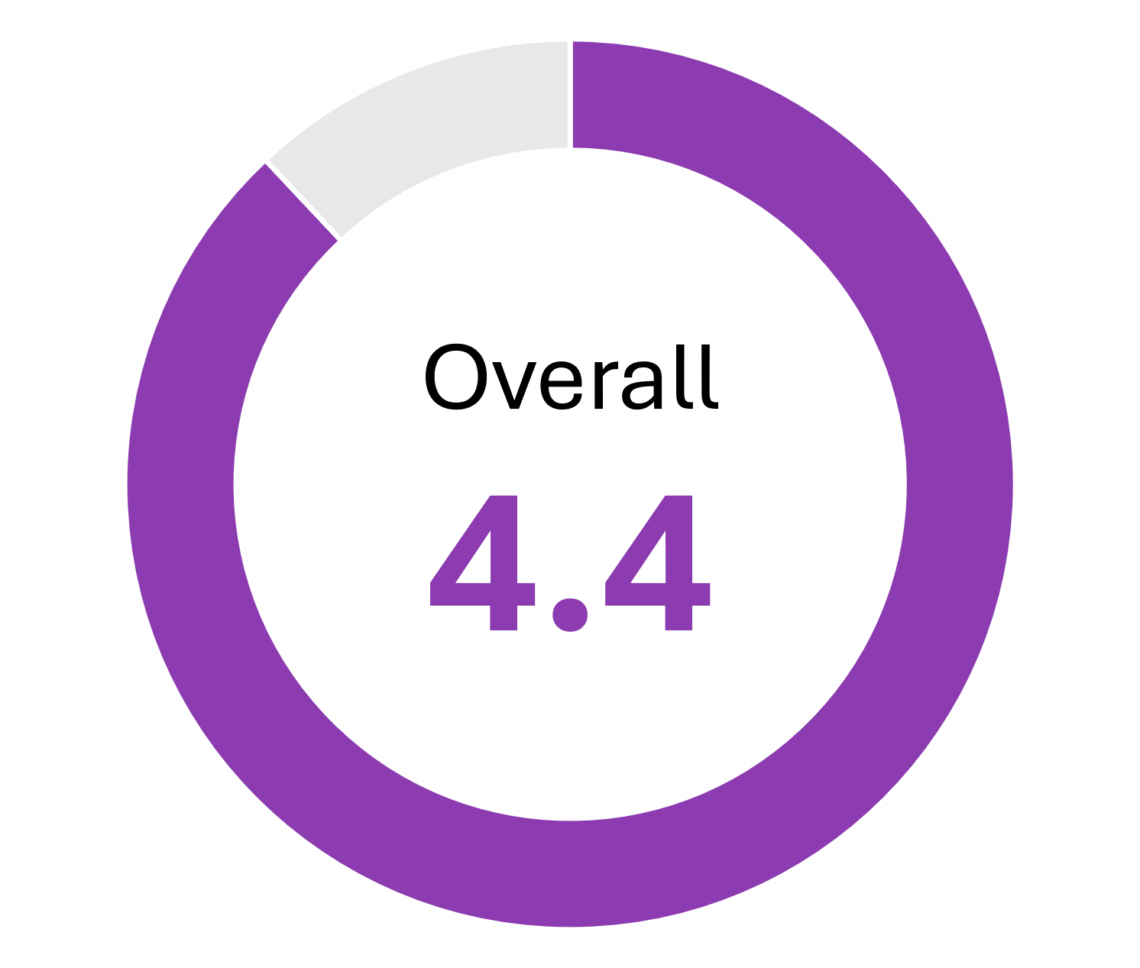

“After in-depth analysis of BPM platforms on the market, Gluu turned out to come with outstanding functionality/value for money and a dedicated and professional team to support with implementation and beyond.”
Read full review
Christian Novak
Senior Manager Finance Processes
How is Gluu different from Nintex?
Nintex answers “how do we automate this digital workflow?” Gluu answers “how do we make sure the right process is followed, by everyone, and prove it?” The differences that matter:
1. Govern the process, not just automate a task. Gluu holds your processes as one connected, owned model – roles, responsibilities, links between processes – so a change stays consistent everywhere. That governance layer is what quality and compliance teams rely on. (govern processes against one owned model)
2. Prove the work was done – including work outside any system. Gluu captures evidence that the governed process was followed, including physical, frontline and offline work that no automation engine ever touches. Very few tools can prove work done against a governed model that happens outside the tool itself. (Note: proving each step is Gluu’s strength; no vendor today proves complete cross-system end-to-end completion, and we do not claim to.) (turn the model into tasks people do)
3. Reach frontline teams affordably, with predictable cost. Gluu reaches every worker – office, frontline and deskless – through a mobile app, offline access, QR codes and localization, on transparent per-user pricing from €2/user/month. For a process you need everyone to follow, that is a very different, more predictable cost curve than Nintex’s consumption model. (reach frontline and deskless teams)
4. Govern AI agents, not only people. This is the difference about to matter most. As AI agents start doing real work, the risk is the one you already manage with people: work that skips the agreed process. Gluu is built to govern agents the same way it governs everyone – against one documented process, with a record of whether the agent actually followed it. Nintex can automate steps and run bots it controls, but it does not prove the governed process was followed whoever, or whatever, executed it. That is ground almost no one sells to the process buyer today, and it is the ground Gluu is built to own.
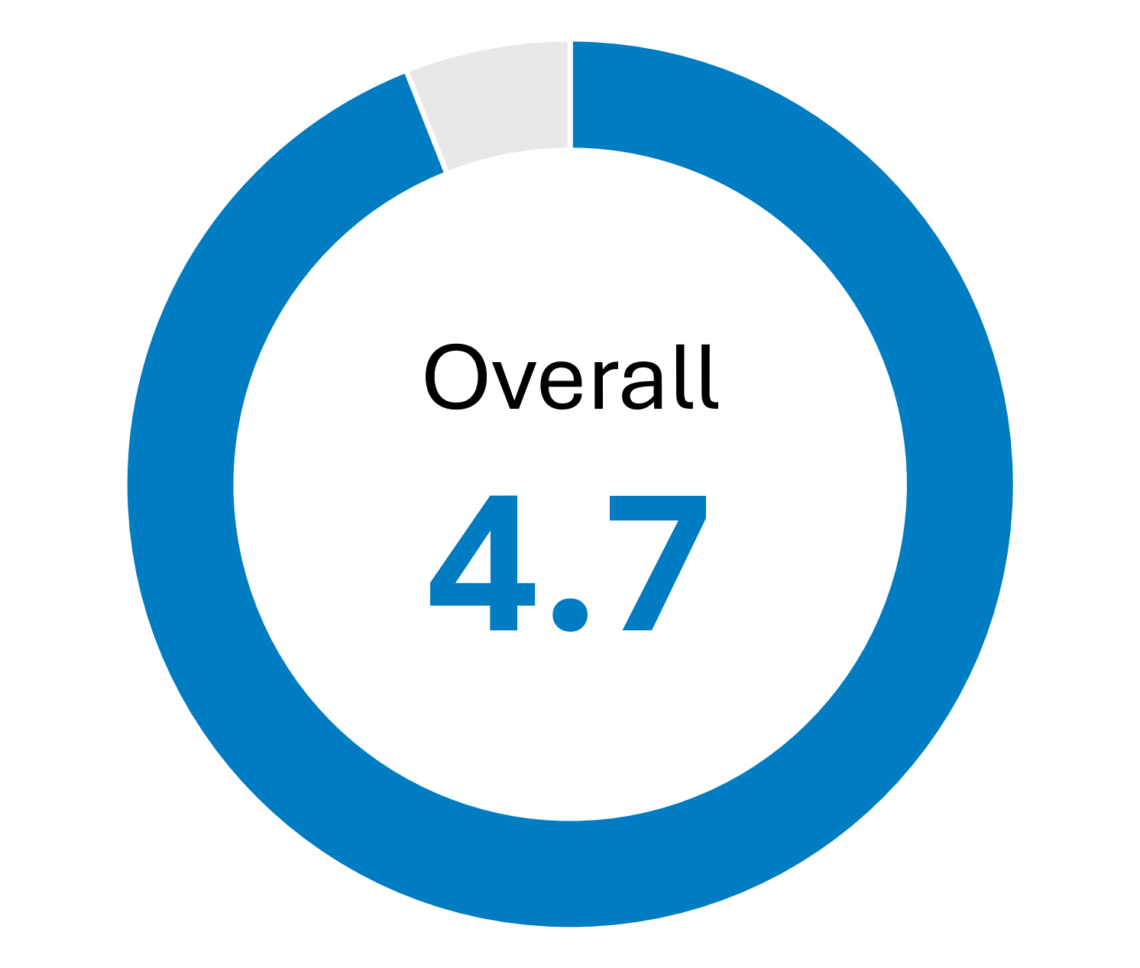
Nintex vs Gluu, side by side
An honest capability comparison. Nintex wins the automation-engine rows it is built for; Gluu wins the governance-and-proof rows. Verdicts: Yes / Partial / Limited / No / Open ground.
| Capability | Nintex | Gluu | Basis |
|---|---|---|---|
| Digital workflow + document automation (forms, e-sign, docgen, RPA) | Yes (core strength) | No (a deliberate boundary) | Vendor docs |
| Microsoft 365 / SharePoint integration depth | Yes | Partial | FlowForma; Gluu docs |
| Reach frontline / offline / deskless workers | Limited | Yes (mobile, offline, QR, localization) | Reviews; Gluu docs |
| Predictable, transparent pricing | Limited (per-execution / per-size; overage fees) | Yes (per user from €2/mo, no overage) | FlowForma/TrustRadius; Gluu pricing |
| Govern processes against one owned model (roles, audit) | Partial (Promapp mapping) | Yes (Advanced tier) | Vendor docs; Gluu docs |
| Prove the governed process was followed | Within its own automated flows | Yes, including work done outside any system | Competitor analysis (Gluu, Q3 2026) |
| Business-user self-service (low IT dependence) | Limited (IT-heavy cited) | Yes | FlowForma; Gluu docs |
| In-product execution dashboards | Partial | Partial (data captured; export to CSV/BI) | Reviews; Gluu capability analysis |
| Govern AI agents against the process | No | Yes (governed like people, any executor) | Gluu positioning; competitor analysis, recheck Nov 2026 |
How do pricing and licensing compare?
Nintex does not list prices publicly and uses more than one model – consumption-based (per workflow execution, with overage fees) and company-size tiers – which reviewers find hard to predict. Published third-party figures span a very wide range depending on model and scale. (FlowForma, TrustRadius, Sep 2026.)
Gluu is priced per user, transparently: Core at €2, Essential at €4 and Advanced (which adds governance, running and control) at €8 per user per month, billed annually with volume discounts, plus optional add-ons. There are no per-execution overage fees, so cost is predictable as usage grows. (gluu.biz/pricing, Sep 2026.) (how Gluu is licensed)
Should you choose Gluu or Nintex?
Choose Nintex if you need a mature engine to automate digital, document-centric workflows inside Microsoft 365, and you have the IT capacity to build and maintain it.
Choose Gluu if you need to govern how work is done, prove it was followed – including frontline and offline work – reach frontline teams affordably with predictable per-user cost, and give business users a model they can own without heavy IT. Gluu is the stronger fit for governance, adoption and proof; Nintex is the stronger fit for digital workflow and document automation. (see how Gluu orchestrates work)
Gluu free 30-day trial. No credit card required. Start from €24 / year.
Frequently asked questions
Common reasons are unpredictable consumption-based cost, IT-heavy implementation, high total cost of ownership at scale, and limited reach to frontline or offline staff when the need is governance rather than more automation.
It depends on the job. For governing and proving processes across a whole workforce, Gluu is a strong fit. For continued digital workflow and document automation, you may prefer another automation platform. Match the tool to whether you need automation or governance.
Nintex is not publicly priced and uses consumption-based and company-size models. Third-party sources report a wide range, and overage fees apply on the per-execution model, so costs can be hard to predict. *(FlowForma/TrustRadius, Sep 2026.)*
Publicly cited limitations include complex, hard-to-predict pricing, IT-heavy setup, high total cost of ownership, and dependence on the Microsoft ecosystem.
Nintex automates digital and document workflows; Gluu governs how processes should run, proves they were followed – including work done outside any system – and reaches frontline teams on transparent per-user pricing from €2/user/month. Gluu is not a general automation engine, and that is deliberate.