ARIS alternative – Gluu

If you are evaluating an ARIS alternative, the honest question is whether you need the heaviest enterprise modeling and mining suite on the market, or a process model your organization will actually use, follow and prove. ARIS is the enterprise architecture and process-analysis incumbent – rigorous, deep and built for large modeling teams. Gluu is for governing processes so they are followed across the workforce, and proving they were, with far less weight and cost.
Written by a former IDC analyst. This is a fact-based comparison, and it is honest about where ARIS is the better choice. We are not trying to win customers who would be a poor fit for Gluu.
Why do teams look for an ARIS alternative?
ARIS is powerful, so teams rarely leave because it lacks depth. They look for an alternative when the depth becomes the problem – too complex, too slow to adopt, too expensive for the value the wider organization gets. Commonly cited reasons:
- Steep learning curve. Reviewers describe the interface as complex and overwhelming, especially for new or occasional users. (Source: G2, retrieved Sep 2026.)
- Performance with large repositories. Slowness on big repositories and complex diagrams. (Source: G2, retrieved Sep 2026.)
- Unintuitive data management – interlinking processes and avoiding data overwriting need manual workarounds. (Source: G2, retrieved Sep 2026.)
- High licensing and implementation cost, hard to justify below true enterprise scale. (Source: G2, retrieved Sep 2026.)
The pattern behind these: ARIS produces rigorous models that a modeling team maintains, but the wider organization often does not read, follow or update them. If the model sits unused, its rigour does not translate into how work is actually done.
A process model people actually use and follow beats a more rigorous one they ignore.
What is ARIS best at?
Credit where it is due, because it decides fit. ARIS is a strong choice when:
- You need a centralized single source of truth for processes and architecture at large enterprise scale.
- You need rigorous standardized modeling (BPMN, EPC) with deep analysis, for governance- and compliance-heavy environments.
- You want process modeling and process mining combined, with strong enterprise-system integration.
If your mandate is enterprise architecture and deep process analysis with a dedicated modeling team, ARIS may be the right suite. Gluu earns its place when the priority is adoption and proof, not modeling depth.
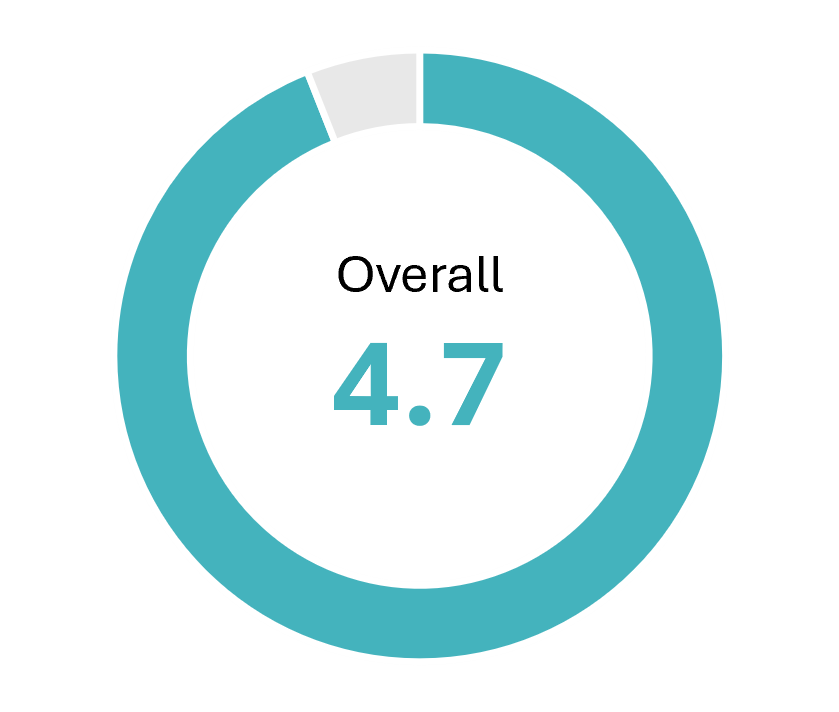

“Our processes have been anchored from top to bottom in the group”. Read case
Julie Jensen, Process Consultant, Norlys
How is Gluu different from ARIS?
ARIS answers “how do we model and analyze our processes rigorously?” Gluu answers “how do we get the right process followed by everyone, and prove it?” The differences that matter:
1. Built for adoption, not just for modelers. Gluu holds processes as one connected, owned model designed to be read and followed by the people doing the work, not only maintained by a central modeling team. A model people use beats a more rigorous model they ignore. (one owned process architecture)
2. Prove the work was done – including work outside any system. Gluu captures evidence that the governed process was followed, including frontline and offline work. ARIS documents and analyzes processes; it does not prove, at the point of work, that the process was followed. Very few tools can prove work done against a governed model that happens outside the tool. (Note: proving each step is Gluu’s strength; no vendor today proves complete cross-system end-to-end completion, and we do not claim to.) (turn the model into tasks people do)
3. Reach the workforce, at far lower weight and cost. Gluu reaches every worker – office, frontline and deskless – through a mobile app, offline access, QR codes and localization, with a lighter learning curve and transparent per-user pricing from €2/user/month rather than enterprise quote-based licensing. (reach frontline and deskless teams)
We do not try to out-model ARIS. Deep enterprise-architecture modeling and log-based process mining are deliberately outside Gluu’s scope.
4. Govern AI agents, not only people. This is the difference about to matter most. As AI agents start doing real work, the risk is the one you already manage with people: work that skips the agreed process. Gluu is built to govern agents the same way it governs everyone – against one documented process, with a record of whether the agent actually followed it. ARIS documents and analyzes processes, but it does not prove whether an agent – or a person – followed the process at the point of work. That is ground almost no one sells to the process buyer today, and it is the ground Gluu is built to own.
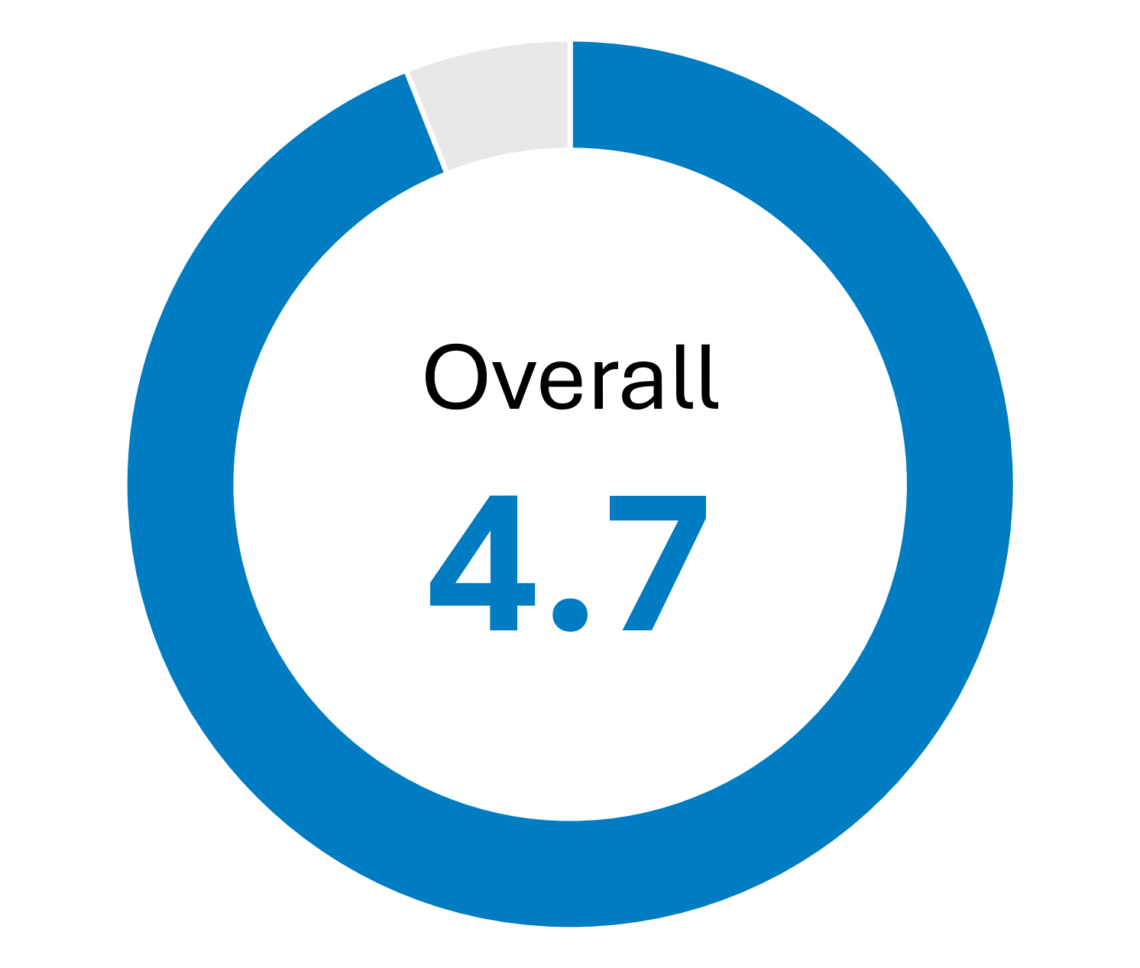
ARIS vs Gluu, side by side
An honest capability comparison. ARIS wins the enterprise-modeling rows it is built for; Gluu wins the adoption-and-proof rows. Verdicts: Yes / Partial / Limited / No / Open ground.
| Capability | ARIS | Gluu | Basis |
|---|---|---|---|
| Rigorous standardized modeling (BPMN/EPC) at scale | Yes (core strength) | Partial (pragmatic modeling) | G2; Gluu docs |
| Log-based process mining | Yes | No (a deliberate boundary) | G2; ERP Research |
| Enterprise-architecture repository | Yes | Partial | G2; Gluu docs |
| Ease of adoption for non-modelers | Limited (steep learning curve) | Yes | G2; Gluu docs |
| Reach frontline / offline / deskless workers | Limited | Yes (mobile, offline, QR, localization) | Reviews; Gluu docs |
| Prove the governed process was followed at the point of work | Limited (documents/analyzes) | Yes, including work outside any system | Competitor analysis (Gluu, Q3 2026) |
| Reuse one owned model across departments and get it followed | Partial (maintained centrally) | Yes | G2; Gluu docs |
| Cost and time to value | Limited (high cost, long implementation) | Yes (from €2/user/mo; faster) | G2; Gluu pricing |
| Govern AI agents against the process | No | Yes (governed like people, any executor) | Gluu positioning; competitor analysis, recheck Nov 2026 |
How do pricing and licensing compare?
ARIS is not publicly priced. It uses quote-based, enterprise-tier licensing and is widely described as high-cost on both licensing and implementation, which is why reviewers say it is hard to justify below true enterprise scale. (G2/PeerSpot, Sep 2026; no verified public price – we do not quote a figure.)
Gluu is priced per user and transparently: Core at €2, Essential at €4 and Advanced (governance, running and control) at €8 per user per month, billed annually with volume discounts, and it is designed to reach value quickly without a long modeling implementation. If adoption and proof matter more than modeling depth, that difference is the decision. (gluu.biz/pricing, Sep 2026.) (how Gluu is licensed)
Should you choose Gluu or ARIS?
Choose ARIS if your mandate is enterprise architecture and rigorous process analysis with a dedicated modeling team, you need combined modeling and mining at scale, and you can carry the cost and implementation weight.
Choose Gluu if you need a process model people actually follow, proof that they did – including frontline and offline work – broad reach across the workforce, and faster, lower-cost time to value without heavyweight modeling. Gluu is the stronger fit for adoption, governance and proof; ARIS is the stronger fit for deep enterprise modeling and mining. (establishing process governance)
Gluu free 30-day trial. No credit card required. Start from €24 / year.
Frequently asked questions
Common reasons are a steep learning curve, slow performance on large repositories, high licensing and implementation cost, and rigorous models that the wider organization does not actually read or follow.
It depends on the job. For governing processes so they are followed across the workforce and proving it, Gluu is a strong fit. For deep enterprise-architecture modeling and process mining, you may need a comparably heavyweight suite.
ARIS is used for enterprise process modeling and analysis, maintaining a central process and architecture repository, and, with ARIS Process Mining, analyzing how processes run from system logs.
Publicly cited limitations include a steep learning curve, performance issues on large repositories, unintuitive data management, and high licensing and implementation cost.
ARIS models and analyzes processes rigorously for enterprise architects; Gluu governs processes so the workforce follows them, proves they were followed – including work done outside any system – and reaches value faster and at lower cost, from €2/user/month. Deep modeling and mining are deliberately outside Gluu’s scope.